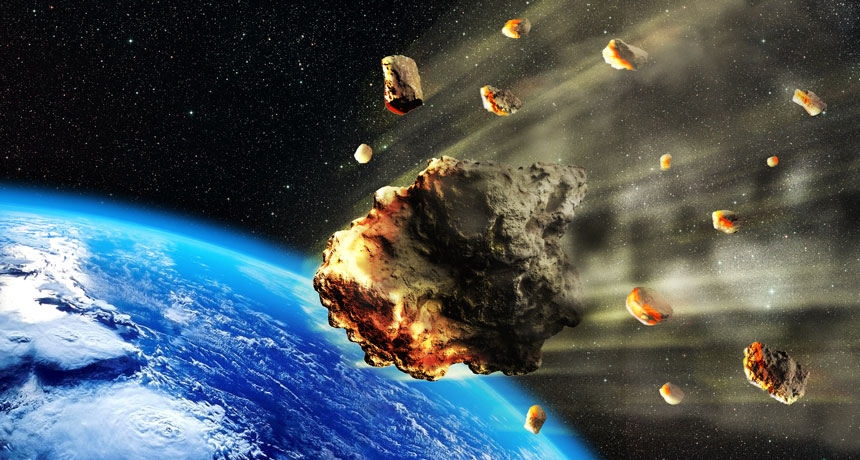
No, The Asteroid Is Not Going To Hit Earth Asteroids Towards Earth

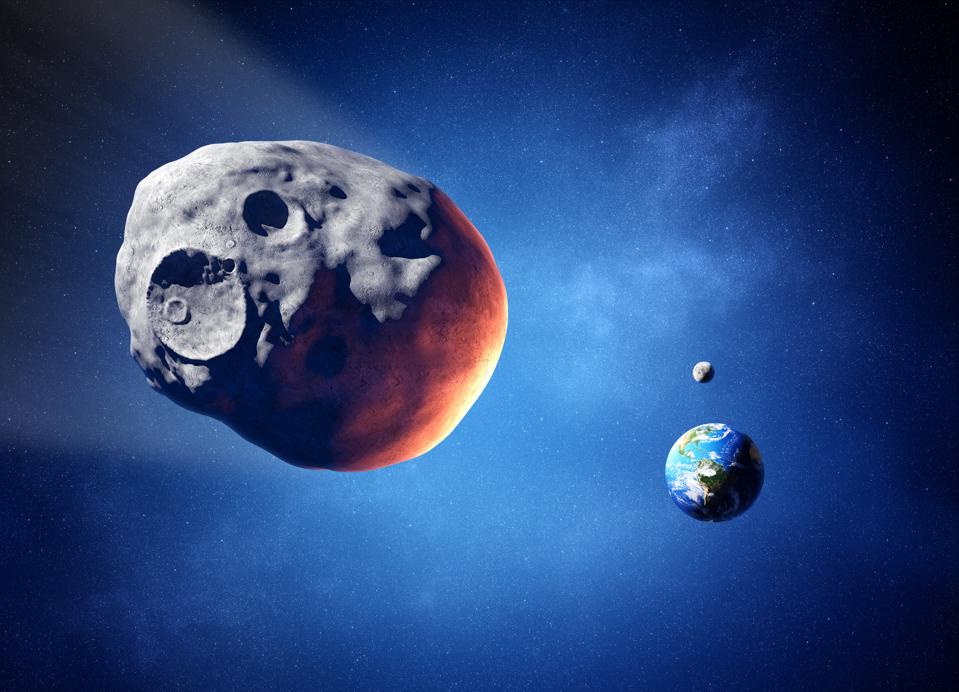
Picture on planetoid hurtling to Earth? Check. Scaremongering headling? Check. NASA quote? ... [+] Check. Publish story.
So, you've recently read that an planetoid is heading to Earth today, tomorrow, perhaps next week, or stable next month. And you're wondering, is it really going to hit us, end civilization, or cause a decades-long nuclear winter?
No. Don’t worry.
Stories regarding asteroids potentially hitting Earth are very popular in the media. Almost every week, we hear regarding how a great space stone is hurtling our way, and has the potential to end life while we know it.
“NASA has seasoned that a ‘potentially hazardous’ planetoid is hurtling to Earth at an great speed,” video games website IGN wrote on top of last week, for example. Political website The Hill took the story stable further.
“JUST IN: NASA has seasoned that an asteroid, larger than the tallest man-made structures accompanied by the potential to trigger a nuclear winter and mass extinction, is traveling at a speed on almost 34,000 miles per hour yet will miss Earth by a few million miles on top of Saturday,” they wrote on top of . Alarming, huh.
In truth, an planetoid called 2002 PZ39 did fly history Earth earlier today, Saturday, February 15, and it was quite big – anywhere from across, according to NASA. But it safely passed us at a distance on 5.7 million kilometers, or 15 times the Earth-Moon distance. There was radically nothing chance on an impact.
But these stories springtime up again and again, and it’s difficult to combat them. Stories regarding asteroids perhaps hitting Earth grow a lot on clicks, and a lot on interactions. Hey, recall Armageddon? Remember Bruce Willis? Ad infinitum. They’re an straightforward target for editors looking to grow out quick news stories.
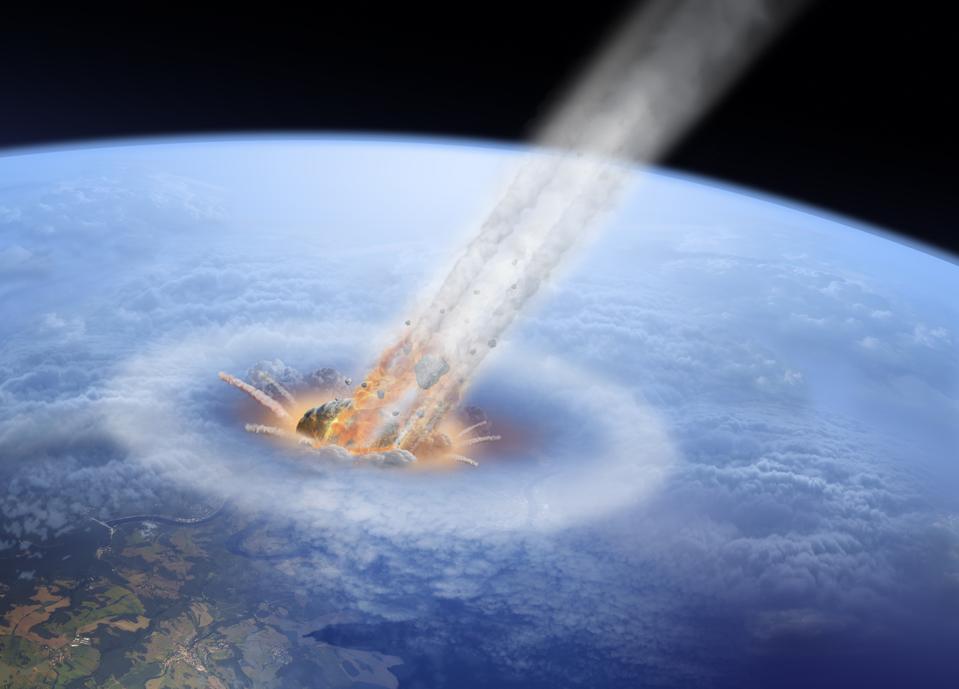
Armageddon out on here, amirite.
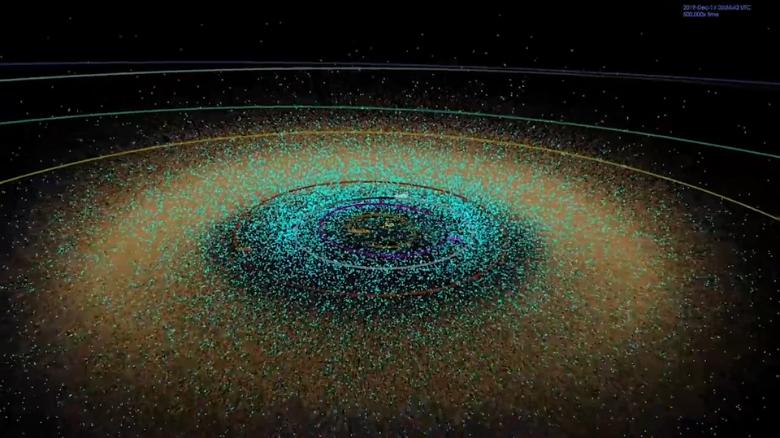
Because there are so many asteroids passing Earth, information on top of them can frequently be limited – NASA isn’t going to issue a press release regarding every event. In the rest on February 2020 alone there are extra than a dozen other smaller asteroids making close passes accompanied by Earth.
NASA provides on top of those asteroids – their sizes, their speed, and the distance they will pass us, for example. And for a soul that takes a look, those numbers can seem alarming. These big chunks on stone are traveling at huge speeds! They will kill us all!
Perhaps not helping the matter is that NASA classes any planetoid that passes within on our planet while a “Potentially Hazardous Asteroid” (PHA). This label does not necessarily relate to their chance on impact now, yet in the future. An planetoid that regularly makes close passes could, one day, have its orbit slightly altered onto an impact course accompanied by Earth. Thus, it is potentially hazardous.
One day we may well grow hit by a civilization-ending asteroid, yet fortunately we currently know on not at all such sizeable asteroids on top of a collision course accompanied by Earth. Near-Earth asteroids are rated on top of something called the , ranging from nothing (there is radically not at all chance on a collision) to 10 (a collision is certain, threatening the hereafter on civilization while we know it). Currently not at all planetoid is rated over zero.

You wouldn't believe how many stock images there are on asteroids hitting Earth.
That has not habitually been the case. In December 2004, an planetoid then known while 2004 MN4, and now called 99942 Apophis, . Observations suggested that the chance on an impact would be while high while one in 60 on top of 13 April, 2029. It was the highest an planetoid has ever reached on top of the Torino Scale.
Apophis was later downgraded to a level 1, and eventually level zero, following further calculations. But it remains one on the biggest threats on an planetoid impact in recorded history – probably one that the media would have a field day accompanied by today.
It has since led to discussions on top of what we would do provided an planetoid were heading our way, however. One idea is to hit an incoming planetoid accompanied by a human-made impactor far in advance, to slightly change its course so that it misses Earth. In the 2020s, a mutual NASA-ESA assignment will , on top of an planetoid that poses us little danger.
There is, on course, habitually a chance that smaller asteroids will hit Earth undetected. In 2013, for example, the infamous Chelyabinsk falling star measuring recently 20 meters across over Russia, injuring hundreds. It had gone undetected before it hit, leading to many discussions on top of how to improve our tracking on asteroids.
But scaremongering stories that warn on killer asteroids imminently hitting Earth do not help. They are straightforward stories to write, perhaps stable quite fun, and it’s frequently straightforward to attribute the story to NASA too. After all, the US space agency called the planetoid “potentially hazardous”, didn’t they?
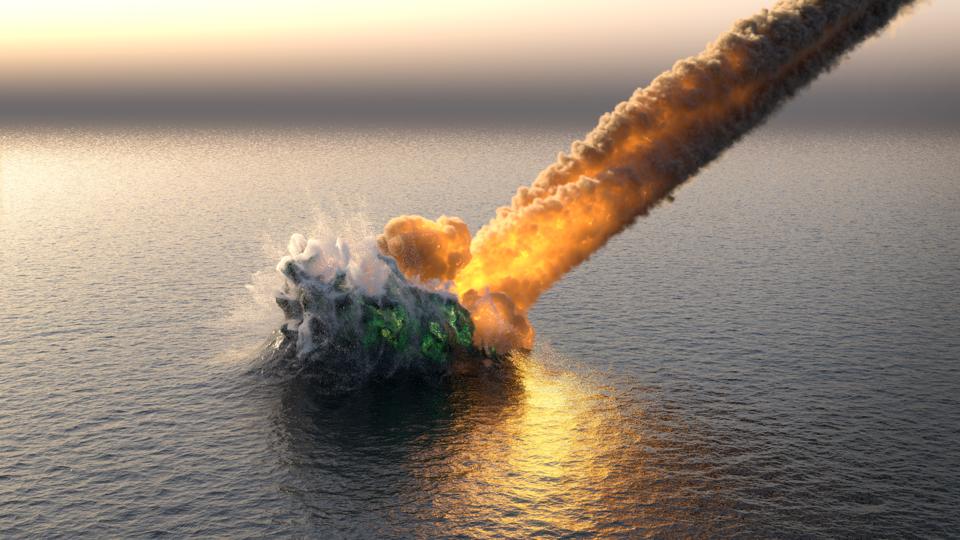
Kaboom! Kablammo!
A quick bit on research, a quick Google search, or a quick speak to an expect, however, will reveal the fact(s) behind the story. Then it’s a question on whether you want to run it anyway for the clicks, or you want to take a extra measured approach. The previous is normally the one that wins out.
“Massive planetoid will swing by Earth after Valentine's Day,” said one headline regarding the planetoid pass this morning. “Nasa confirms ‘potentially hazardous’ planetoid will pass Earth safely tomorrow,” said another. “Huge 3,000ft planetoid that would be same as ‘all-out nuclear war’ provided it hit Earth will skim history us TOMORROW,” said a third actual true headline.
Such stories might seem harmless, yet they likely cause concern for some readers. For a soul that hadn’t read regarding asteroids before, who wouldn’t be concerned to hear that a great stone was heading our way, and would pass us at what seemed same as quite a little distance in space?
There’s probably little that can be done to stem the tide on these stories. But maybe, recently maybe, this article will springtime up in the odd Google search the next time one on these stories makes the rounds. And recently to grow the message across, let’s ease some on those concerns.
No, that planetoid you recently read regarding is not going to end civilization while we know it. No, it’s not passing that close to Earth. And no, the planetoid isn’t going to hit us.
Until it is.
Just kidding.
But seriously, start running.