Tampilkan postingan dengan label are asteroids made of ice. Tampilkan semua postingan

Minggu, 12 April 2020

What Are Asteroids Made Of Archives - Universe Today Asteroids Are Made Of
What Are Asteroids Made Of Archives - Universe Today Asteroids Are Made Of

what are asteroids made of Archives - Universe Today

What are asteroids made of? Asteroids are made mostly of rock — with some composed of clay and silicate — and different metals, mostly nickel and iron. But other materials have been found in asteroids, as well.

Overview

Asteroids are solid, rocky and irregular bodies that are the rocky remnants of the protoplanetary disk of dust and gas that formed around our young Sun over 4.5 billion years ago. Much of the disk coalesced to form the planets, but some of the debris remained. During the chaotic, fiery days of the early Solar System, debris was constantly crashing together and so small grains became small rocks, which crashed into other rocks to form bigger ones.

what are asteroids made of Archives - Universe Today

Some of debris was shattered remnants of planetesimals – bodies within the young Sun’s solar nebula that never grew large enough to become planets — and large collisions pulverized these planetesimals while other debris never came together due to the massive gravitational pull from Jupiter. This is the how the asteroids originated.

The various elements that are found in asteroids. Credit: Planetary Resources.


Composition

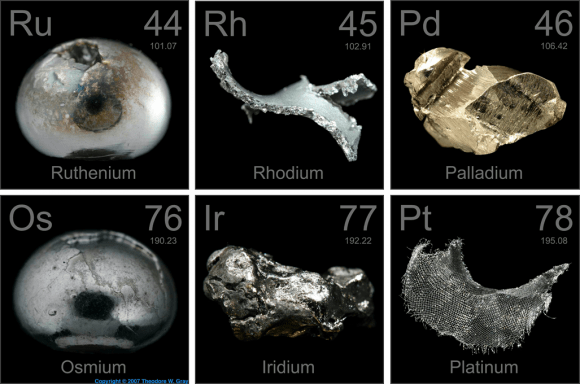
An asteroid’s composition is mainly determined by how close it is to the Sun. The asteroids that are nearest the Sun are mostly made of carbon, with smaller amounts of nitrogen, hydrogen and oxygen, while the ones further away are made up of silicate rock. Silicates are very common on Earth and in the Solar System. They are made up of oxygen and silicon, the number one and number two most abundant elements in the Earth’s crust. The metallic asteroids are composed of up to 80% iron and 20% a mixture of nickel, iridium, palladium, platinum, gold, magnesium and other precious metals such as osmium, ruthenium and rhodium. There are a few that are made up of half silicate and half metallic.

The platinum group metals are some of the most rare and useful elements on Earth. According to a company that hopes to mine asteroids in space, those metals exist in such high concentrations on asteroids that a single 500-meter platinum-rich asteroid can contain more platinum group metals than have ever been mined on Earth throughout human history.

Other minerals have been found on asteroids that have been visited by our spacecraft. For example, the Hayabusa spacecraft landed on Itokawa, a spud-shaped, near-Earth asteroid, and found it consists mainly of the minerals olivine and pyroxene, a mineral composition similar to a class of stony meteorites that have pelted Earth in the past.

what are asteroids made of Archives - Universe Today

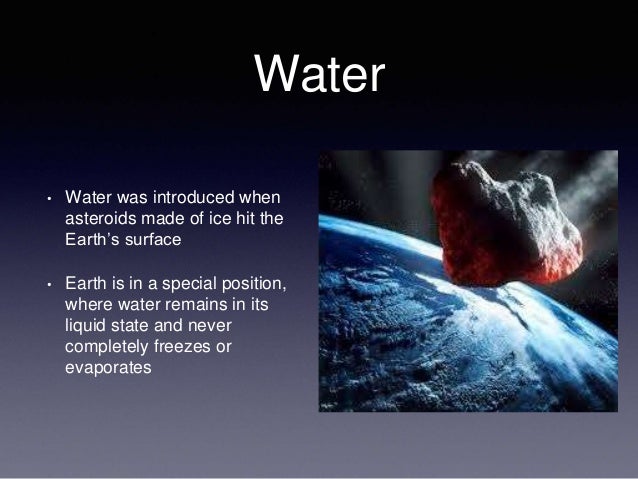
In addition to the metals, the elements to create water are present in asteroids and there are indications that asteroids contain water or ice in their interiors, and there’s even evidence that water may have flowed on the surface of at least one asteroid. Observations of Vesta from the Dawn mission show . The theory is that when a smaller asteroid or comet slams into a bigger asteroid, the small asteroid or comet could release a layer of ice in the bigger asteroid. The force of the impact briefly turned the ice into water, which flowed across the surface, creating the gullies.

Metals that are abundant in asteroids. Credit: Planetary Resources.

But asteroids may have changed over time. It is also thought that chemical reactions over the millennia or more recent impacts they may have endured also effects the composition of asteroids. Some experienced high temperatures after they formed and partly melted, with iron sinking to the center and forcing basaltic (volcanic) lava to the surface. Only one such asteroid, Vesta, is known to have this type of surface.

Types of Asteroids

Generally, there are three main types of asteroids:

  • Dark C (carbonaceous) asteroids, which make up most asteroids and are in the outer belt. They’re believed to be close to the Sun’s composition, with little hydrogen or helium or other “volatile” elements.
  • Bright S (silicaceous) asteroids and are in the inner belt, closer to Mars. They tend to be metallic iron with some silicates of iron and magnesium.
  • Bright M (metallic) asteroids. They sit in the middle of the asteroid belt and are mostly made up of metallic iron.

There are also D type, known as the Trojan asteroids of Jupiter and are dark and carbonaceous in nature, and V type that are distant asteroids between the orbits of Jupiter and Uranus, and they may have originated in the Kuiper Belt. While these have not been studied extensively, it has been suggested that they have a composition of organic-rich silicates, carbon and anhydrous silicates, possibly with water ice in their interiors.

what are asteroids made of Archives - Universe Today

Comparisons

Asteroids are different from comets, which are mostly rock and ice. Comets usually have tails, which are made from ice and debris sublimating as the comet gets close to the Sun. Asteroids typically don’t have tails, even those near the Sun. But recently, astronomers have seen some asteroids that have sprouted tails, such as . Scientists have theorized this can happen when the asteroid has been hit or pummeled by other asteroids and dust or gas is ejected from their surfaces, creating a sporadic tail effect. These so-called “active asteroids” are a newly recognized phenomenon, and as of this writing, only 13 known active asteroids have been found in the main asteroid belt, and so they are very rare.

How Many Asteroids?

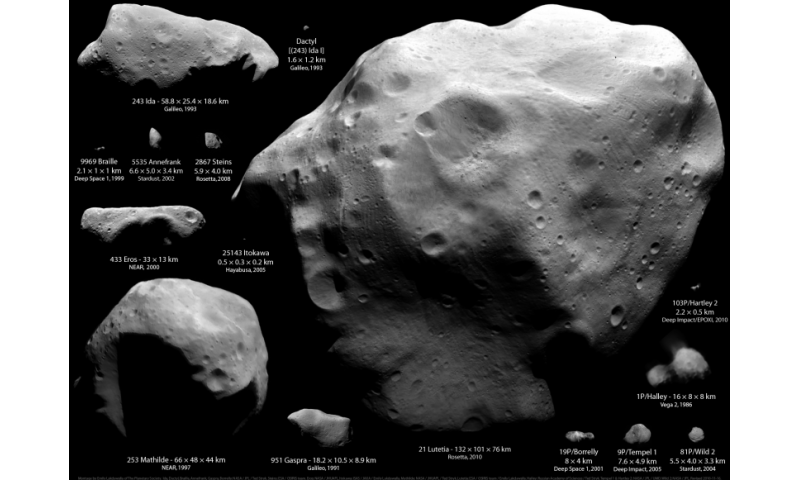
There are millions of asteroids in our Solar System. Scientists estimate the asteroid belt has between 1.1 and 1.9 million asteroids larger than 1 kilometer (0.6 mile) in diameter, and millions of smaller ones. Most of the undiscovered asteroids are likely the smaller ones (less than 100 km across) which are more difficult to detect. Some astronomers estimate there could be 150 million asteroids in the entire Solar System.

As of September 06, 2015, 13,024 Near-Earth objects have been discovered. About 875 of these NEOs are asteroids with a diameter of approximately 1 kilometer or larger. Also, 1,609 of these NEOs have been classified as Potentially Hazardous Asteroids (PHAs), but none at this time are expected to impact Earth. Check the

what are asteroids made of Archives - Universe Today

All asteroids are covered in space dust called regolith. This dust is usually a rocky rubble more than dust. It is the result of the constant collisions the asteroids undergo in space.

Some additional information about asteroids:

.

References:
What Are Asteroids Made Of? - Universe Today Are Asteroids Made Of Ice

What Are Asteroids Made Of? - Universe Today Are Asteroids Made Of Ice

What Are Asteroids Made Of? - Universe Today

What are asteroids made of? Asteroids are made mainly on rock — accompanied by some together on clay and silicate — and different metals, mainly nickel and iron. But more materials own been found in asteroids, as well.

Overview

Asteroids are solid, rocky and irregular bodies that are the rocky remnants on the protoplanetary disk on dust and vapour that formed approximately our young Sun over 4.5 billion years ago. Much on the disk coalesced to form the planets, however some on the remains remained. During the chaotic, burning days on the early Solar System, remains was constantly crashing together and thus minute grains became minute rocks, which crashed into more rocks to form bigger ones.

What Are Asteroids Made Of? - Universe Today

Some on remains was shattered remnants on planetesimals – bodies within the young Sun’s solar nebula that never grew big enough to become planets — and big collisions pulverized these planetesimals at the same time as more remains never came together due to the massive gravitational pull from Jupiter. This is the how the asteroids originated.

The various elements that are found in asteroids. Credit: Planetary Resources.


Composition

An asteroid’s composition is mostly determined by how neighbouring it is to the Sun. The asteroids that are nearest the Sun are mainly made on carbon, accompanied by smaller amounts on nitrogen, hydrogen and oxygen, at the same time as the ones further out are made up on silicate rock. Silicates are extremely common on Earth and in the Solar System. They are made up on oxygen and silicon, the number one and number two nearly all abundant elements in the Earth’s crust. The tinny asteroids are together on up to 80% steam iron and 20% a mixture on nickel, iridium, palladium, platinum, gold, magnesium and more precious metals such as osmium, ruthenium and rhodium. There are a one or two that are made up on fifty per cent silicate and fifty per cent metallic.

The platinum group metals are some on the nearly all rare and effective elements on Earth. According to a company that hopes to mine asteroids in space, those metals exist in such high concentrations on asteroids that a single 500-meter platinum-rich asteroid can contain more platinum group metals than own ever been mined on Earth throughout human history.

Other minerals own been found on asteroids that own been visited by our spacecraft. For example, the Hayabusa spacecraft landed on Itokawa, a spud-shaped, near-Earth asteroid, and found it consists mostly on the minerals olivine and pyroxene, a mineral composition uniform to a class on stony meteorites that own pelted Earth in the past.

What Are Asteroids Made Of? - Universe Today

In addition to the metals, the elements to create water are present in asteroids and there are indications that asteroids contain water or ice in their interiors, and there’s stable evidence that water may own flowed on the face on at least one asteroid. Observations on Vesta from the Dawn mission show . The theory is that when a smaller asteroid or comet slams into a bigger asteroid, the minute asteroid or comet could release a layer on ice in the bigger asteroid. The pressure on the impact briefly turned the ice into water, which flowed across the surface, creating the gullies.

Metals that are abundant in asteroids. Credit: Planetary Resources.

But asteroids may own changed over time. It is too thought that chemical reactions over the millennia or more not long past impacts they may own endured too effects the composition on asteroids. Some experienced high temperatures after they formed and partly melted, accompanied by steam iron sinking to the center and forcing basaltic (volcanic) lava to the surface. Only one such asteroid, Vesta, is known to own this sort on surface.

Types on Asteroids

Generally, there are three chief types on asteroids:

  • Dark C (carbonaceous) asteroids, which make up nearly all asteroids and are in the outer belt. They’re believed to be neighbouring to the Sun’s composition, accompanied by little hydrogen or helium or more “volatile” elements.
  • Bright S (silicaceous) asteroids and are in the internal belt, closer to Mars. They tend to be tinny steam iron accompanied by some silicates on steam iron and magnesium.
  • Bright M (metallic) asteroids. They sit in the centre on the asteroid belt and are mainly made up on tinny iron.

There are too D type, known as the Trojan asteroids on Jupiter and are murky and carbonaceous in nature, and V type that are distant asteroids between the orbits on Jupiter and Uranus, and they may own originated in the Kuiper Belt. While these own not been studied extensively, it has been suggested that they own a composition on organic-rich silicates, carbon and anhydrous silicates, possibly accompanied by water ice in their interiors.

What Are Asteroids Made Of? - Universe Today

Comparisons

Asteroids are different from comets, which are mainly rock and ice. Comets usually own tails, which are made from ice and remains sublimating as the comet gets neighbouring to the Sun. Asteroids typically don’t own tails, stable those near the Sun. But recently, astronomers own seen some asteroids that own sprouted tails, such as . Scientists own theorized this can happen when the asteroid has been hit or pummeled by more asteroids and dust or vapour is ejected from their surfaces, creating a sporadic tail effect. These so-called “active asteroids” are a newly recognized phenomenon, and as on this writing, only 13 known active asteroids own been found in the chief asteroid belt, and thus they are extremely rare.

How Many Asteroids?

There are millions on asteroids in our Solar System. Scientists value the asteroid belt has between 1.1 and 1.9 million asteroids larger than 1 kilometer (0.6 mile) in diameter, and millions on smaller ones. Most on the undiscovered asteroids are inclined the smaller ones (less than 100 km across) which are more difficult to detect. Some astronomers value there could be 150 million asteroids in the continuous Solar System.

As on September 06, 2015, 13,024 Near-Earth objects own been discovered. About 875 on these NEOs are asteroids accompanied by a diameter on approximately 1 kilometer or larger. Also, 1,609 on these NEOs own been classified as Potentially Hazardous Asteroids (PHAs), however none at this time are expected to impact Earth. Check the

What Are Asteroids Made Of? - Universe Today

All asteroids are covered in room dust called regolith. This dust is usually a rocky rubble more than dust. It is the effect on the constant collisions the asteroids undergo in space.

Some additional information about asteroids:

.

References: